
Blackened Shrimp hits the table with a dark, smoky, spice-crusted outside and a sweet, juicy bite in the middle. A smoking hot cast iron skillet, a homemade spice blend, and about four minutes of cooking is all it takes. It's ready in 15 minutes flat, which makes this blackened shrimp recipe perfect for busy weeknights.
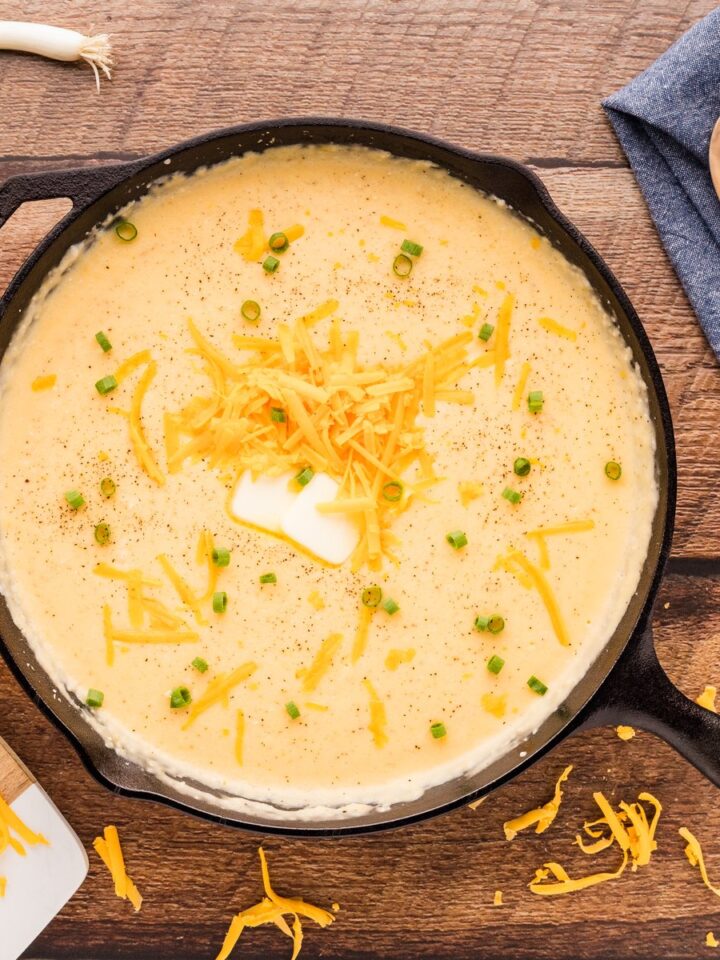
My favorite way to serve it is spooned over a bowl of my creamy Cheese Grits, which gives you an easy, restaurant-style shrimp and grits at home. A simple bed of white rice with a little dipping sauce on the side is just as good. If you love Cajun flavors, you'll also want to try my Cajun Shrimp and Sausage Skillet next.
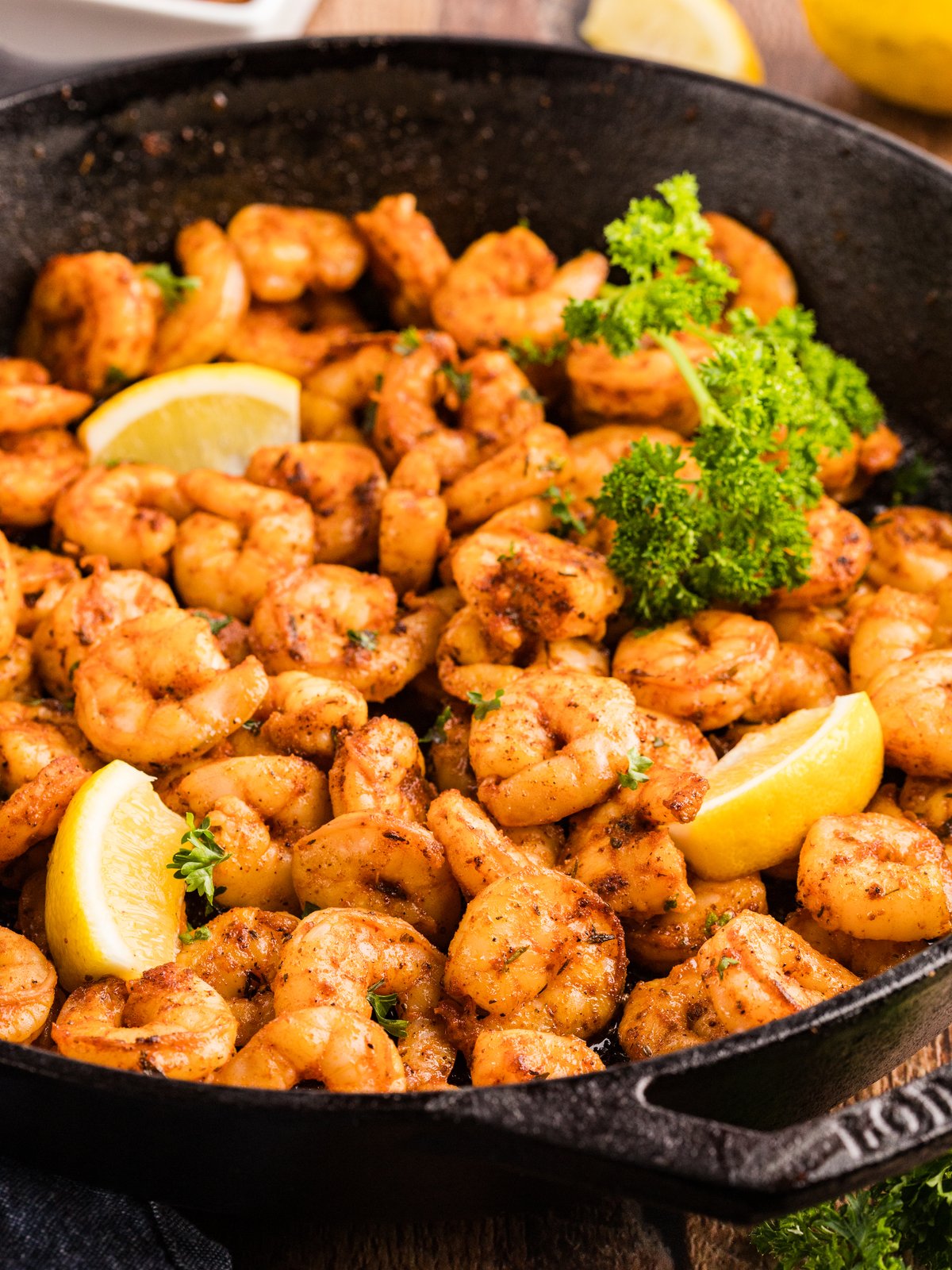
Quick Look at this Recipe
- ✅ Recipe Name: Cast Iron Blackened Shrimp
- 🕒 Ready In: 15 minutes (10 min prep, 5 min cook)
- 👪 Serves: 4 people
- 🥣 Main Ingredients: Large shrimp, smoked paprika, cayenne, garlic powder, onion powder, thyme, oregano, butter, lemon
- 📖 Dietary Info: Gluten-free, low-carb, and keto-friendly. Contains shellfish and dairy
- ⭐ Why You’ll Love It: A real blackened crust in 4 minutes of cooking, with a homemade spice blend you control
Summarize and Save the Recipe
Jump to:
- Quick Look at this Recipe
- Why You’ll Love This Blackened Shrimp
- What Makes This Blackened Shrimp Different
- Ingredients for Blackened Shrimp
- How to Make Blackened Shrimp
- Variations
- Expert Tips for the Best Blackened Shrimp
- What to Serve With Blackened Shrimp
- Blackened Shrimp FAQs
- More Delicious Recipes
- Get the Recipe
Why You’ll Love This Blackened Shrimp
- A real blackened crust. Not just seasoned shrimp. The spices toast into a dark, smoky shell that you can only get from a screaming hot cast iron skillet.
- Fifteen minutes, start to finish. Mixing the spice blend takes longer than cooking the shrimp.
- You control the heat. The homemade blend has no sugar and less salt than store-bought, and you can dial the cayenne up or down.
- Goes with everything. Over cheese grits or rice, in tacos, on pasta, or on a salad. It's the kind of recipe that ends up in the regular rotation.
What Makes This Blackened Shrimp Different
What Blackened Actually Means
Blackening came out of New Orleans in the early 1980s, when chef Paul Prudhomme started searing spice-coated redfish in a white-hot cast iron skillet at K-Paul's Louisiana Kitchen. The dark color isn't burnt food. It's butter and spices toasting together into a crust in the few seconds they touch the hot iron. The dish got so popular it helped cause a redfish shortage in the Gulf. Shrimp are a perfect fit for the same technique because they cook in just a couple of minutes.
Why It Has to Be Cast Iron
Blackening needs a pan that's hotter than most home cooks ever take one. Cast iron can hold that heat without warping, and it keeps it when the cold shrimp land, so the crust forms instantly instead of the shrimp steaming. Nonstick pans shouldn't be heated that high at all, and thin stainless pans lose heat too fast. For more ways to use that heat, check out my cast iron skillet recipes.
No Sugar in the Spice Blend
A lot of blackening blends include brown sugar. At blackening temperatures, sugar goes from caramelized to bitter and burnt in seconds, and it's the main reason blackened food tastes acrid instead of smoky. This blend relies on smoked paprika for color and depth, so the crust stays dark and savory without the burnt edge.
Butter on the Shrimp, Oil in the Pan
Prudhomme dipped his fish in melted butter before seasoning it. The butter helps the spices stick and adds rich flavor to the crust. But butter alone in a smoking hot pan burns fast, so here the shrimp get a butter coating while the skillet gets a high-smoke-point oil. A final pat of butter and a squeeze of lemon go in off the heat.
Handling the Smoke
Real blackening makes smoke. Turn on the vent fan and crack a window before the skillet goes on the burner. Better yet, take the cast iron outside and set it right on a hot grill or a camp stove. It's the same method, with none of the smoke alarm drama.
Ingredients for Blackened Shrimp
[IMAGE PLACEHOLDER: blackened-shrimp-ingredients.jpg | 1600x1200 labeled flat lay: shrimp, butter, oil, lemon, parsley, and each spice in small bowls (use dod-create-ingredients-image)]
- Large shrimp. 21 to 25 per pound, peeled and deveined. Tails on or off. Bigger shrimp are more forgiving because they don't overcook as fast.
- Smoked paprika and sweet paprika. Together they give the crust its deep red-brown color and smoky flavor.
- Garlic powder, onion powder, thyme, and oregano. The savory backbone of any good Cajun blackening blend.
- Cayenne, black pepper, and salt. Use ½ teaspoon of cayenne for a medium kick, or up to 1 teaspoon if you like it hot.
- Melted butter. Coats the shrimp so the seasoning sticks and toasts into a crust.
- Avocado oil. Or any high-smoke-point oil for the pan. Olive oil will smoke and turn bitter at this heat.
- Lemon and parsley. A fresh finish to cut through all that spice.
See the recipe card below for exact measurements and full instructions.
How to Make Blackened Shrimp
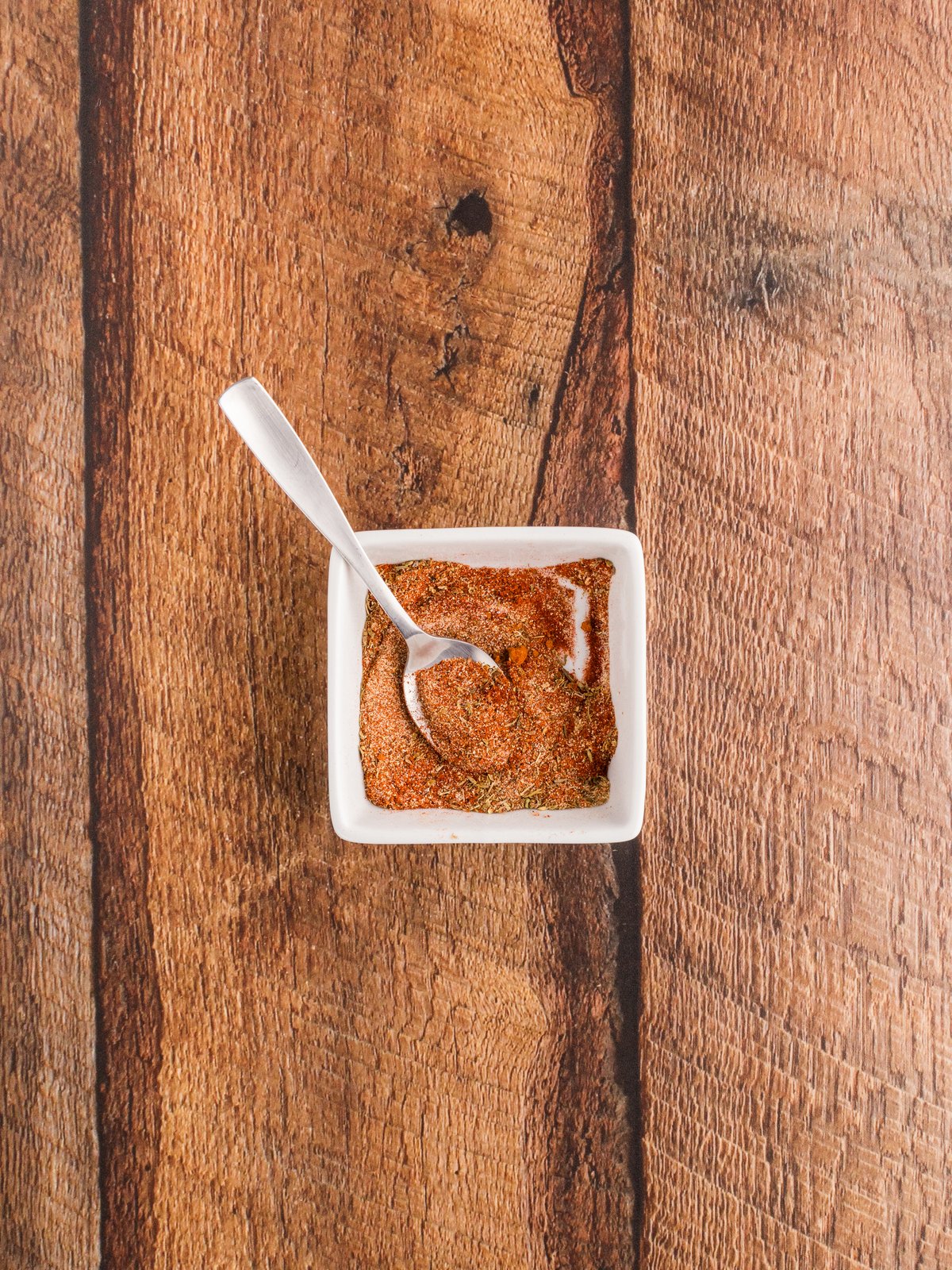
- Step 1: Mix the Blackening Seasoning. Stir together the paprikas, garlic powder, onion powder, thyme, oregano, cayenne, pepper, and salt in a small bowl.
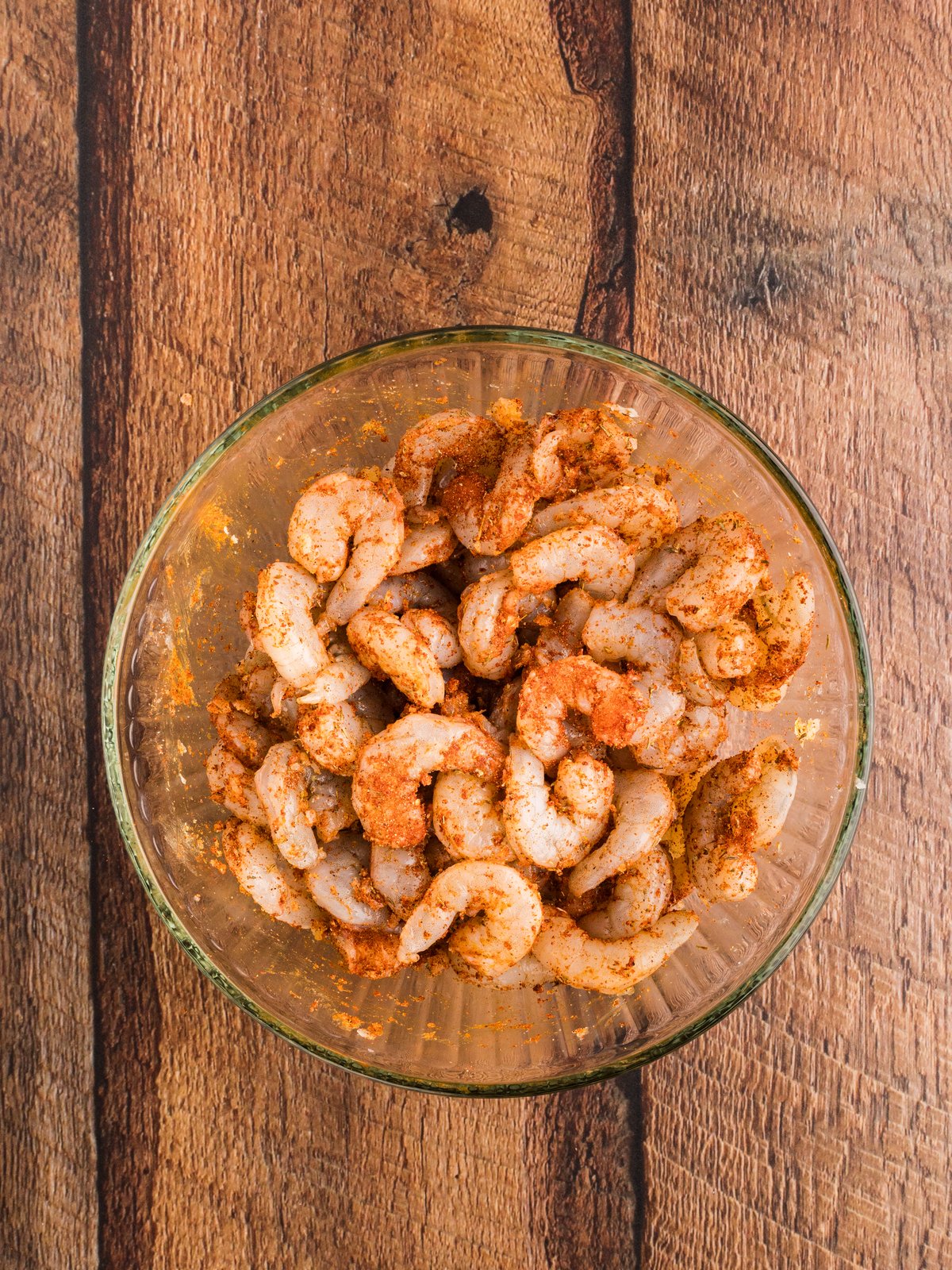
- Step 2: Dry, Butter, and Season. Pat the shrimp completely dry, toss them in melted butter, then sprinkle on the seasoning and toss until every shrimp is coated.
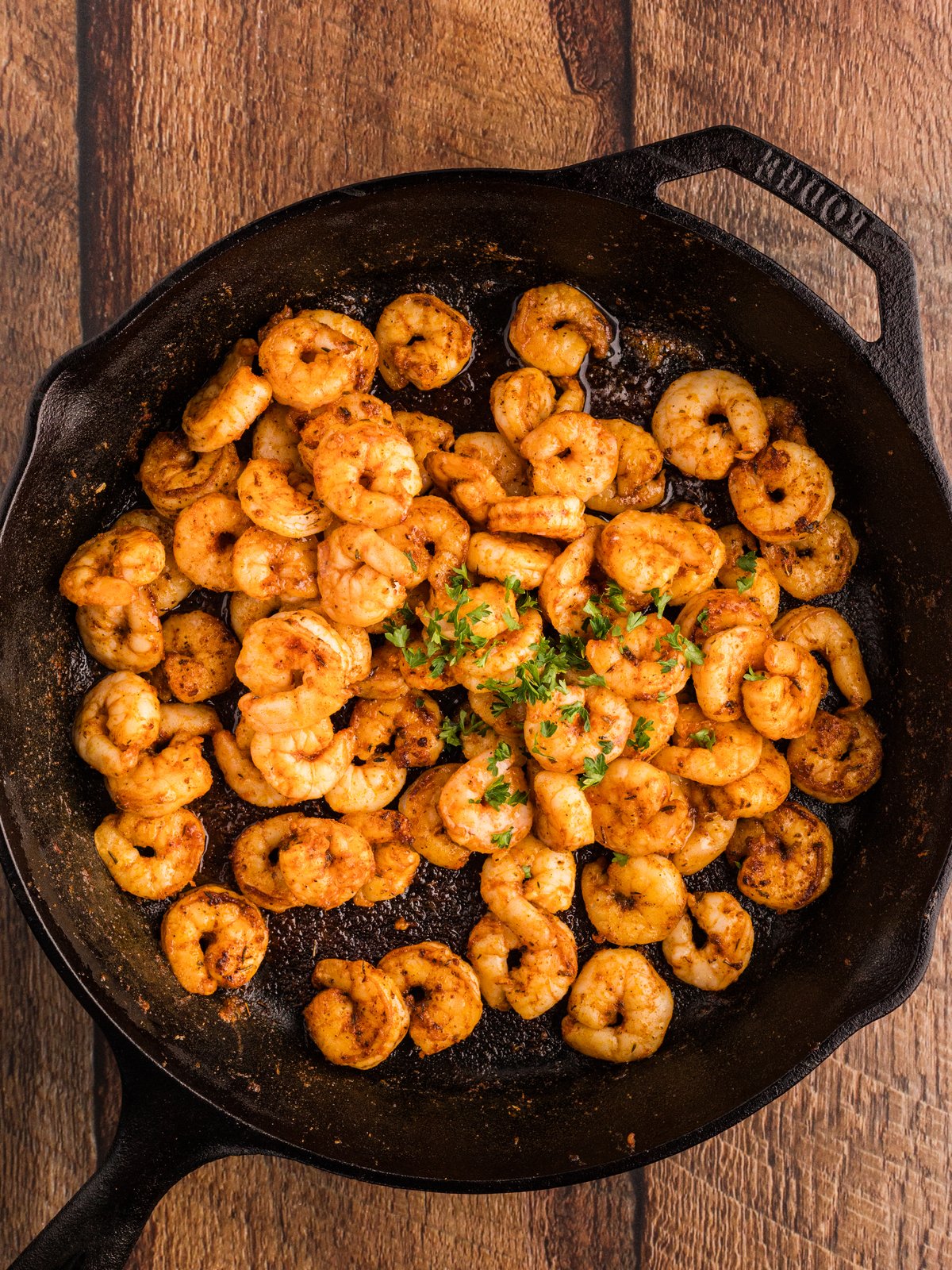
- Step 3: Sear in a Hot Skillet. Preheat a 12-inch cast iron skillet for 5 minutes until it just starts to smoke. Add the oil, lay in the shrimp, and leave them alone for 1 ½ to 2 minutes.
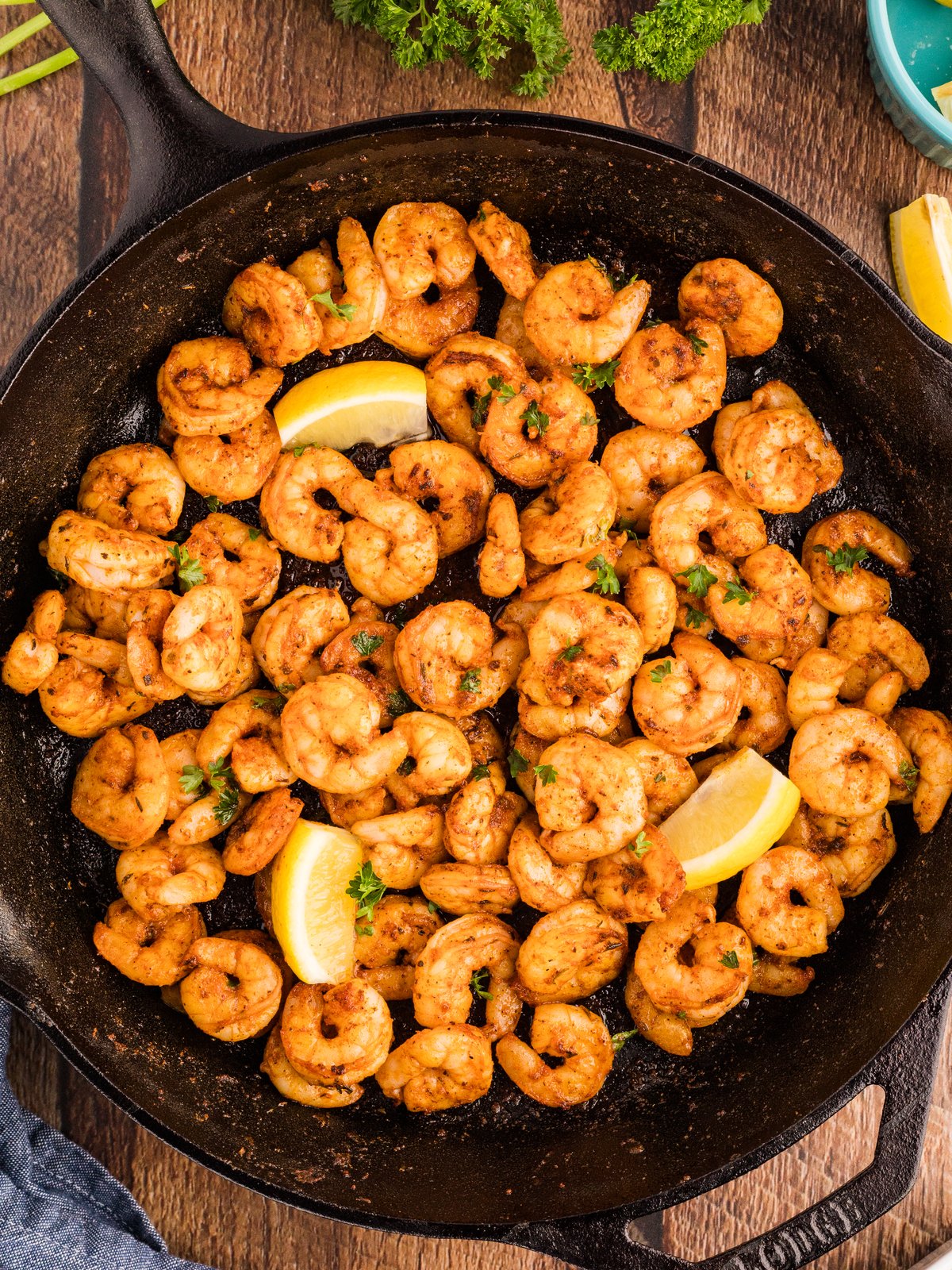
- Step 4: Flip and Finish. Flip, cook 1 minute more, then take the pan off the heat and toss with butter, lemon juice, and parsley.
Variations
- Blackened Shrimp and Grits. Serve over my Cheese Grits with sliced scallions and a drizzle of the pan butter.
- Blackened Shrimp Tacos. Tuck into warm corn tortillas with shredded cabbage, avocado, and a squeeze of lime.
- Blackened Shrimp Bowls. Serve over rice with black beans, corn, and a spoonful of sour cream.
- Blackened Shrimp Pasta. Toss with fettuccine and a quick cream sauce made in the same skillet.
- Blackened Shrimp Alfredo. Spoon the shrimp over fettuccine tossed in a rich, creamy Alfredo sauce. The smoky crust and the mellow cream sauce are a great match.
- On the Grill. Set the cast iron skillet directly on a hot grill and follow the same steps. No smoke in the house.
- Milder Version. Cut the cayenne to ¼ teaspoon. The smoked paprika keeps all the flavor without the heat.
Expert Tips for the Best Blackened Shrimp
- Get the skillet hot first. Five full minutes of preheating. If the shrimp don't hiss loudly when they land, the pan isn't ready.
- Leave them alone. Moving the shrimp around breaks the crust before it forms. Let them sit untouched on the first side.
- Cook in batches. A crowded pan drops in temperature and steams the shrimp. Give each one a little space.
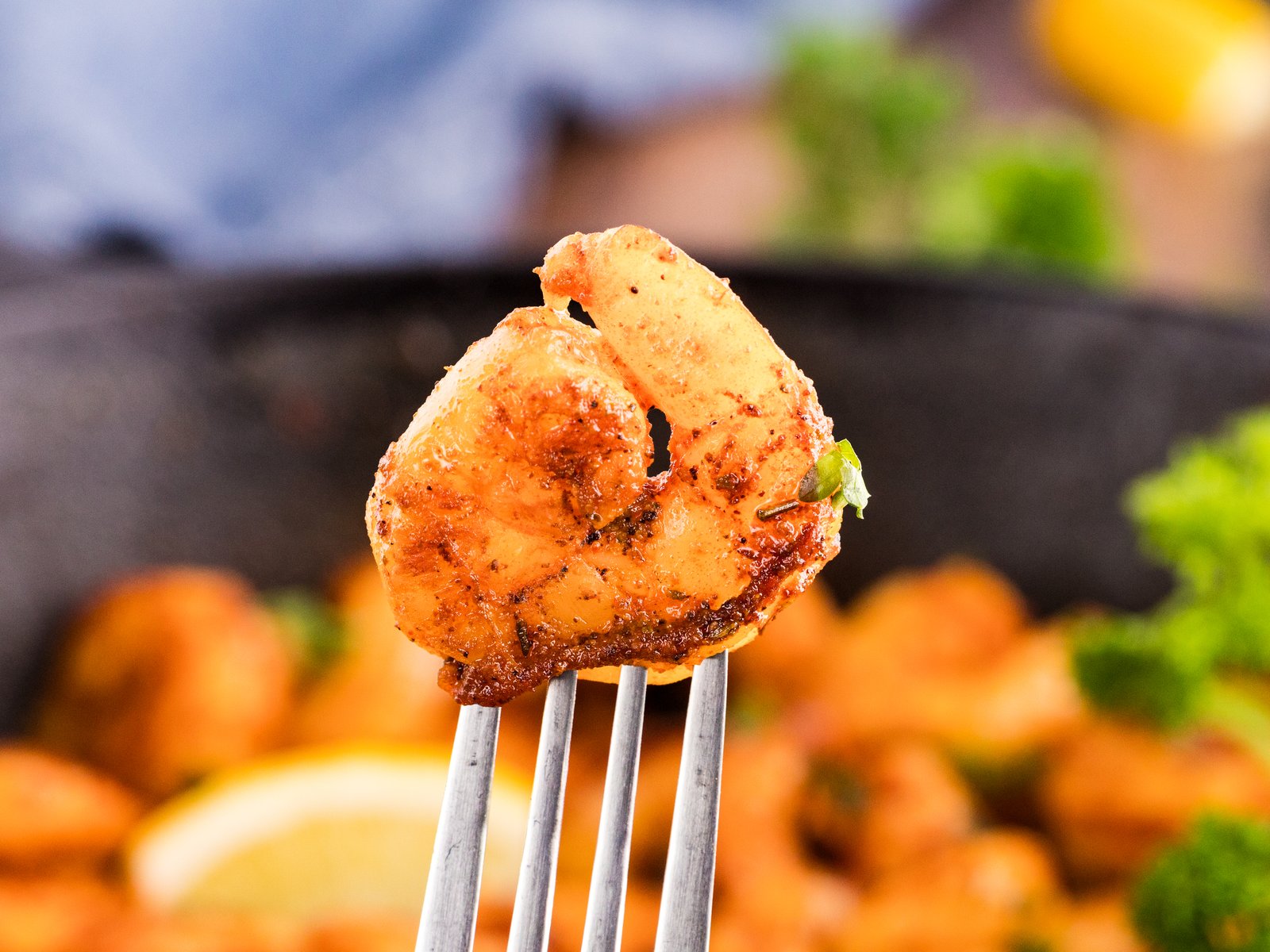
- Watch the shape. A loose C shape means the shrimp are done. A tight O means they're overcooked.
- Thaw frozen shrimp fully. Thaw overnight in the fridge or in a colander under cold running water for about 10 minutes, then dry well.
- Wipe the skillet while it's warm. Burnt spice residue comes off easily with hot water and a scraper. Dry it on the burner and wipe in a thin coat of oil.
What to Serve With Blackened Shrimp
Blackened shrimp brings the spice and smoke, so pair it with something creamy, cool, or a little sweet.
- Cheese Grits for classic shrimp and grits. This is the pairing I make most.
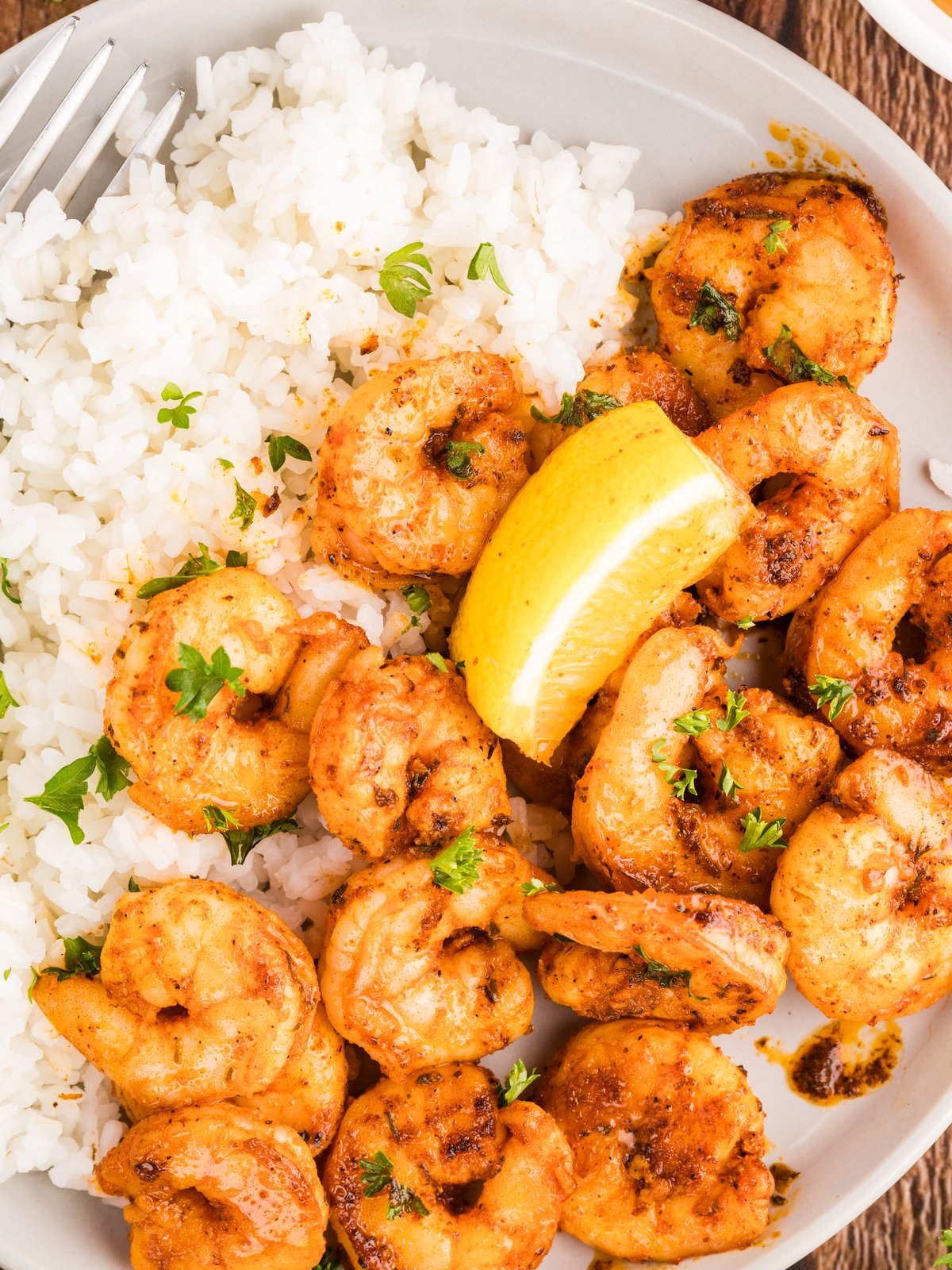
- White rice with a little dipping sauce on the side, the way you see it in the photos.
- Southern Cornbread baked in the same cast iron.
- Simple Coleslaw to cool things down.
- Garlic Butter Skillet Corn for something sweet next to the spice.
Blackened Shrimp FAQs
Ingredient and Flavor Questions
Blackened shrimp are coated in butter and a Cajun-style spice blend, then seared in a very hot cast iron skillet until the spices toast into a dark, smoky crust. The technique comes from New Orleans chef Paul Prudhomme. The dark color is toasted spice, not burnt shrimp.
Blackened seasoning is a Cajun spice blend that usually includes paprika, garlic powder, onion powder, cayenne, black pepper, thyme, oregano, and salt. This version uses both smoked and sweet paprika for a deeper color and skips sugar, which burns at blackening temperatures.
It has a medium kick with ½ teaspoon of cayenne. For a milder version, cut the cayenne to ¼ teaspoon. The smoked paprika carries most of the flavor, so it still tastes bold.
Cajun describes the seasoning, while blackened describes the cooking method. Blackened shrimp are coated in Cajun-style spices and seared in a very hot cast iron skillet until the spices form a dark crust. Cajun shrimp can be sauteed, grilled, or simmered in a sauce without that crust.
Yes. Thaw them completely first, either overnight in the refrigerator or in a colander under cold running water for about 10 minutes. Then pat them very dry, because leftover moisture keeps the crust from forming.
Cooking and Storage Questions
The shrimp are done when they turn opaque all the way through and curl into a loose C shape, which takes about 3 minutes total for large shrimp. They should reach 145°F. A tight O shape means they've gone too far and will be rubbery.
Usually one of three things: the spice blend had sugar in it, the shrimp were cooked too long, or butter was used as the only fat in the pan. Use a sugar-free blend, cook in a high-smoke-point oil, and pull the shrimp as soon as they turn opaque.
Yes, and it's a great way to keep the smoke outside. Set your cast iron skillet directly on the grates, preheat with the lid closed for about 10 minutes, then cook the shrimp exactly as written.
Refrigerate leftovers in an airtight container for up to 3 days. Reheat briefly in a skillet over medium heat for 1 to 2 minutes, just until warm, or enjoy them cold on a salad. Avoid the microwave, which makes shrimp rubbery.
They are very close. Both are lean, high-protein, and low-carb. Blackened shrimp picks up a little extra fat from the butter and oil, and grilled shrimp usually uses a bit less. Using avocado oil and a light hand with the finishing butter keeps blackened shrimp just as easy to fit into a healthy week.
More Delicious Recipes


If you tried this Blackened Shrimp recipe, please give it a 🌟 star rating and leave a 📝 comment below. We love hearing how it turned out for you.
Get the Recipe
Blackened Shrimp
Equipment
- 12-inch cast iron skillet
- Tongs
- Small mixing bowl
- Large mixing bowl
Ingredients
Blackening Seasoning
- 2 teaspoon smoked paprika
- 1 teaspoon sweet paprika
- 1 teaspoon garlic powder
- 1 teaspoon onion powder
- 1 teaspoon dried thyme
- ½ teaspoon dried oregano
- ½ teaspoon cayenne pepper ¼ teaspoon for mild, up to 1 teaspoon for hot
- ½ teaspoon black pepper
- ¾ teaspoon kosher salt
Shrimp
- 1 ½ lb large shrimp 21-25 count, peeled and deveined, thawed
- 2 tablespoon butter melted
- 1 tablespoon avocado oil or other high-smoke-point oil
- 1 tablespoon butter for finishing
- 1 tablespoon fresh lemon juice plus wedges for serving
- 1 tablespoon fresh parsley chopped

Instructions
- In a small bowl, stir together the smoked paprika, sweet paprika, garlic powder, onion powder, thyme, oregano, cayenne, black pepper, and salt.
- Pat the shrimp completely dry with paper towels. Place in a large bowl, toss with the melted butter, then sprinkle with the seasoning and toss until evenly coated.
- Turn on the vent fan. Preheat a 12-inch cast iron skillet over medium-high heat for about 5 minutes, until it just begins to smoke. Add the avocado oil and swirl to coat.
- Add the shrimp in a single layer, working in two batches if needed so they aren't crowded. Cook without moving for 1 ½ to 2 minutes, until a dark crust forms on the bottom.
- Flip the shrimp and cook 1 minute more, just until opaque and curled into a loose C shape.
- Remove the skillet from the heat. Add the finishing butter, lemon juice, and parsley and toss to coat. Serve right away with lemon wedges, over cheese grits if you like.
Notes
- Dry shrimp are key. Moisture steams the shrimp and keeps the crust from forming.
- Don't skip the preheat. The skillet should just start to smoke before the shrimp go in.
- Use oil in the pan. Butter alone burns at blackening heat. It goes on the shrimp and in at the end instead.
- Make it outside. Set the cast iron skillet on a hot grill or camp stove to keep the smoke out of the house.
- Serve it over grits. Pair with creamy cheese grits for an easy shrimp and grits dinner.
- Storage. Refrigerate up to 3 days. Reheat briefly in a skillet so the shrimp don't turn rubbery.
Nutrition
Dutch Oven Daddy is not a dietician or nutritionist, and any nutritional information shared is only an estimate. We recommend running the ingredients through an online nutritional calculator if you need to verify any information.
Edward says
Some of the best and I loved serving them over your cheesy grits! Thank you!